
There was a time when planning a summer party meant choosing a paper invitation, waiting for it to be printed, addressing envelopes, buying stamps, and hoping everything arrived in the mail with enough time for guests to respond. A simple backyard barbecue, graduation celebration, birthday party, or poolside gathering could take weeks to coordinate before a single RSVP came back.
Today, electronic invitations make it possible to design, send, and update an invitation in real time. Hosts can text a link, email a guest list, post details to a group chat, track RSVPs instantly, and send reminders within minutes. That convenience is exactly why digital invitations have become so popular, and also why scammers are now using fake party invites as a phishing tool.
Fake invitation scams typically arrive by email, text, or social media message and appear to come from a familiar platform or someone you know. The message may say “You’re invited,” “View invitation,” or “RSVP now,” and the design may look polished enough to feel legitimate. The goal is to get you to click before you think.
Once you click, the scam may ask you to enter your email username and password, provide a phone number, share a verification code, download an attachment, or sign in through a page that looks like a real invitation site. Real party invitations should not require you to provide your email, password, or share a one-time passcode (OTP) to see basic event details. Those requests are red flags that the invitation may be a credential-theft attempt.
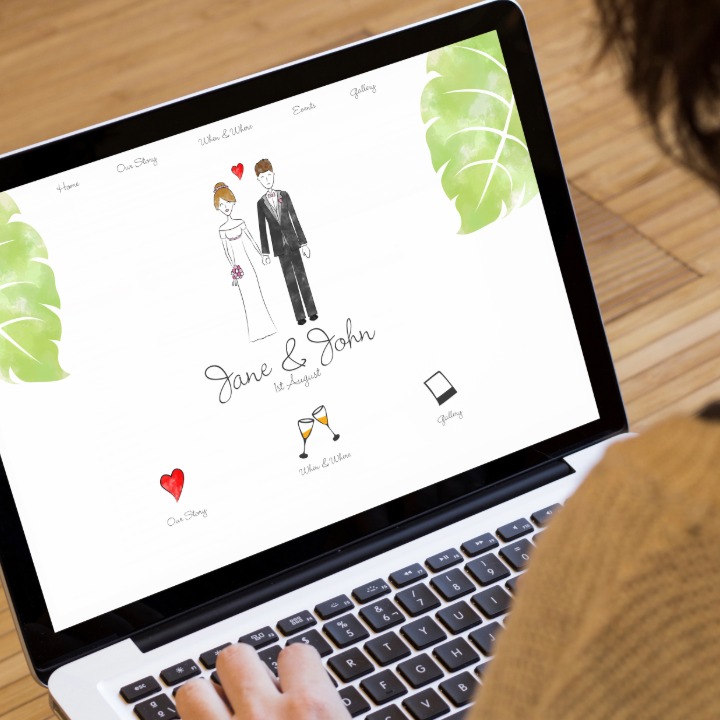
In May 2026, the Federal Trade Commission (FTC) warned consumers about reports of unexpected “You’re invited” emails and texts arriving during graduation and summer party season. The messages appeared to come from a well-known invitation platforms such as Evite or Paperless Post, and some even listed someone the recipient knew as the host. To view the event details, recipients were asked to enter their email username and password or provide a phone number and special passcode. The FTC emphasized that this is not how legitimate invitations work. The purpose of the fake invite was to steal or reset the victim’s account information in order to gain access to email or bank accounts.
Other public reporting shows how quickly this type of scam can spread. ConsumerAffairs described a fake-invite scheme in which a hacker first gained access to someone’s email or social media account, then used that trusted account to send realistic invitations to the person’s contacts. Once a recipient clicked the link, they were taken to a fake login page and asked to enter their email and password. If the recipient complied, the scammer could take over that account, access the contact list, send additional fake invitations, and potentially attempt identity theft or financial fraud.
Graduations, pool parties, barbecues, reunions, birthday celebrations, and even Fiesta make summer a busy invitation season. Scammers know people are more likely to click quickly when an invitation looks social, timely, and personal. The message may even appear to come from a friend, coworker, classmate, or parent of a child’s friend, making it feel safer than a typical suspicious email.
That sense of familiarity is what makes the scam effective. If a fraudster compromises one person’s email or social media account, they may use that account to send fake invitations to the person’s contacts. Recipients see a familiar name, assume the invite is real, and may be more willing to click, enter credentials, or share information.

Just as guests should verify an unexpected party invitation before clicking, they should also know how to recognize a legitimate email from American Riviera Bank: our emails come from a protected .BANK address and, in supported inboxes, display our verified Brand Indicator Message Identification (BIMI) palm tree logo next to the message. These visible cues help confirm the email is actually from American Riviera Bank—not a lookalike invitation, spoofed sender, or phishing attempt trying to join the guest list.
Many consumers recognize the name Evite, and have received Evite invitations before. That familiarity can reduce hesitation and make the guest experience simpler. From a fraud standpoint, however, the same name recognition can make Evite an attractive target for impersonation. A scammer may copy the look of a familiar brand to trick recipients into clicking a fraudulent link or entering login information.
Other invitation platforms may offer benefits that are useful from a privacy and security standpoint. For example, a platform that hides the full street address until a guest RSVPs may help limit the exposure of a private home address if the invite link is forwarded beyond the intended guest list. These features can be helpful, but they do not replace basic fraud awareness. Even clicking on a link without providing a password can pose risk of downloading malware.
For that reason, even when an invitation appears to come through a well-known platform, guests should still verify the sender, review the link carefully, and avoid entering passwords, banking information, or one-time verification codes. Treat all emails with a link as suspicious and verify directly with the host using contact information you already trust.
A legitimate invitation should allow you to view details or RSVP without first providing sensitive credentials!
A familiar sender name is not enough to prove that an invitation is safe. If a friend’s account has already been compromised, the scam can arrive from a real email address or social media profile.

Electronic invitations make summer entertaining easier, faster, and more organized than paper invitations ever could. But the same speed and convenience that help hosts reach guests instantly can also help scammers spread fake invitations quickly. Whether the invite comes through Evite, Partiful, Paperless Post, or another platform, the safest approach is simple: verify unexpected invitations, protect your passwords and passcodes, and be cautious before clicking links that arrive out of the blue.
Previous: Jason Wilson Receives Larry Koppelman Award Next: A Letter From Jeff